Language
How emotions are structured, named, and negotiated across Philippine languages.

 Login ↗
Centering emotions in Philippine culture and society.
01 / About
The Damá Emotion Research Group 1st National Conference, Filipino Feels, brings together scholars examining the words, histories, politics, spaces, and relationships through which emotion becomes meaningful in the Philippines.
Across two days and six parallel sessions, the conference creates a shared space for emotion research in the humanities, social sciences, language, health, education, and cultural studies.
02 / Themes
How emotions are structured, named, and negotiated across Philippine languages.
Digital affect, polarization, political judgment, protest, and collective action.
Health, mental well-being, grief, empathy, motherhood, and emotional labor.
Archives, colonial encounters, nation, commemoration, and literary feeling.
Queer life, migration, home, displacement, ecology, and more-than-human affect.
Music, film, popular romance, festivals, and the everyday life of emotion.
03 / Keynote

Department of Linguistics
College of Social Sciences and Philosophy
University of the Philippines Diliman
In the scholarly literature on emotion and affective studies, the field appears to lack consensus on certain foundational matters. One concerns the distinction between emotion and feeling, and another concerns the universality of emotions. Although contemporary English usage differentiates between emotions and feelings, this distinction is not recognized in other cultures and languages. Additionally, the identification of which emotions count as basic remains a subject of debate. Despite some overlaps in the lists of basic emotions, there is no consensus on what is considered universal.
This is where linguistics and its methodologies come into play. Linguistics can make substantial contributions to this field of study through ethnolinguistics, semantic studies, and lexicography. Linguistics may be able to address fundamental questions such as: How are these thoughts, including emotions and feelings, encoded in language? What words are associated with emotions and feelings? How are these words related to one another? Which other domains are implicated by these words? How do these closely associated words differ from one another? How do we make sense of these complex concepts in everyday life? Which concepts are universal, and which are language-specific? Recent linguistic studies in this field have focused on these questions by investigating the conceptualization, lexical categorization, and morphological and semantic decomposition of emotion lexica, employing approaches such as componential analyses, semantic networks, conceptual metaphors, Natural Semantic Metalanguage, and lexicological analyses within lexicographical microstructures. This presentation draws on these approaches but primarily uses the methodologies of diachronic linguistics to investigate the intricacies and connections across sensing, feeling, remembering, and other implicated domains, and to locate these pan-Philippine concepts and categories within their cultural and linguistic history in the Austronesian language family.
Jesus Federico C. Hernandez is Associate Professor of Linguistics at the University of the Philippines Diliman. His research interests include Philippine diachronic linguistics, folklore, ethnolinguistics, and the documentation of endangered languages within the Philippines. He is also the Convener of The Katig Collective, an advocacy organization that aims to raise awareness about the current linguistic situation of the Philippines. Additionally, Tuting previously held the position of Coordinator of the Folklore Studies Program at the UP College of Social Sciences and Philosophy. He has also served as a board member of both The Asian Association for Lexicography and the Linguistics Society of the Philippines. Currently, he is an etymology consultant for the Oxford English Dictionary. Outside of work, he is a part-time hermit.
Relevant publications:
Hernandez, J. F. (2022). Atay: The heart of the matter. In W. de la Peña (Ed.) The legacy of Consuelo J. Paz: A festschrift (pp. 109–138). Center for International Studies, University of the Philippines Diliman.
Hernandez, J. F. (2024). Lost for words: The untranslatability of some Tagalog words and phrases. In R. Moratto & M. A. G. Bacolod (Eds.), Translation Studies in the Philippines: Navigating a multilingual archipelago (pp. 135–145). Routledge.
04 / Program
Presentations & abstracts
Browse presentation information and expand an entry to read its abstract.
ModeratorAileen O. Salonga
Department of English and Comparative Literature, University of the Philippines Diliman
SHAME-like emotions constitute one of the emotional universals posited by Wierzbicka (1999) and is thus also lexically encoded across different Philippine languages. In Tagalog (ISO 639-3 [tgl]), Cebuano/Binisaya [ceb], and Ilokano [ilo], the emotion is encoded in hiyâ, ulaw/uwaw, and bain, respectively. Given the psycho-cultural prominence of SHAME in these three regional lingua francae, comparing and analyzing the SHAME lexica of these languages will further our understanding of SHAME in the Philippine context. Using Fillmore’s (2006) frame semantics, the study analyzes and compares hiyâ, ulaw/uwaw, and bain and other related SHAME lexica as they appear in dictionary entries and the corpus data. Expectedly, the three SHAME words are similar in that they maintain the root and meaning across frames such as with the happenstantial na-/ma- (e.g., nahihiya ‘embarrassed’). However, there are also dissimilarities such as hiya requiring the causative pa- to be induced (e.g., pinahiya ‘shamed’) but not ulaw/uwaw and bain (e.g., imbabain ‘is being (a)shamed’). Furthermore, Cebuano makes use of another SHAME word: ikog, when pertaining to SHAME in the context of reservation whereas Tagalog and Ilokano use only hiya and bain. Despite the differences, all these words encode an overlapping SHAME-like emotion that requires an observer—imagined or real—to be felt but the frame actuation and nature of participant relationships differ. The study explores the SHAME-like emotion words in the three lingua francae and in the process to the end of contributing to the study of emotions in the Philippines and the universal human concept of SHAME.
John Michael Vincent S. De Pano is currently an Instructor at the Department of Linguistics of the University of the Philippines Diliman, where he also finished his BA in Linguistics. His research interests include language documentation, morphosyntax, Japanese language teaching, and experimental linguistics. He is a member of The Katig Collective, an initiative which seeks to advance the rights of the ethnolinguistic groups in the Philippines.
Brian Salvador C. Baran is an instructor at the Department of Linguistics, University of the Philippines Diliman. In the same institution, he finished his BA Linguistics degree where he focused on both linguistics and the Japanese language and is currently working on his coursework for his MA in Linguistics. His research interests include interactional linguistics, contact linguistics, island studies, Bisayan languages, and the Japanese language. His most recent work is on Bantayanon (ISO 639-3 [bfx]) and Cebuano/Binisaya [ceb].
Ria P. Rafael is an Assistant Professor in the Department of Linguistics, University of the Philippines, teaching linguistics and Japanese language classes. Her research focuses on the documentation, structural analysis, and variation of Philippine languages, alongside Japanese language education. She is involved in community-based language documentation with the Bugkalot/Eģongot community in Nueva Vizcaya. She also contributes to the creation of specialized short courses for Filipino teachers of Japanese language.
In this presentation, I revisit the notion of affect as it is deployed in the field of language teaching and education. I propose that ‘affect’ as it is currently used in the field does not accommodate the actual, on-the-ground, and lived and embodied emotions and feelings that students work through in the language classroom. I argue that ‘affect’ is not simply a psychological, behavioral, or attitudinal response as it is currently conceived of in the academic literature (see Krashen, 1982; Horwitz, Horwitz, and Cope, 1986; Arnold, 2009) but it is, in fact, socially and culturally conditioned. Drawing on the Philippine context, I explore the ways by which Filipino students’ feelings and attitudes in the English classroom are shaped by the country’s American colonial history, current language debates, policy, and implementation, and the students’ own lived relationship with the language. In rethinking ‘affect’ and its role in language teaching and education, I hope to show that the language classroom is a fraught and tense space, not only because it can be psychologically overwhelming to learn a language, but also and more critically, because people have certain emotions and feelings toward languages that they carry into the language classroom. Ultimately, I hope to extend the affordances of an affective lens that is both socially and culturally grounded in making sense of pedagogical spaces and practices whose view of affect has largely been unexamined.
Aileen O. Salonga is Professor at the Department of English and Comparative Literature at the University of the Philippines-Diliman. She writes in the areas of language and affect, language and work, language and gender, and the politics of English/es. Her current research centers on the role of affect in the construction and maintenance of dominant linguistic practices and long-standing beliefs and attitudes around English in the Philippines. She was a Fulbright Visiting Scholar at Hunter College-City University of New York from September 2024 to January 2025. She currently serves as the Coordinator for Academic Affairs of the Department of English and Comparative Literature.
ModeratorAaron Abel T. Mallari
Department of Political Science, University of the Philippines Diliman
In 1892, the renowned Filipino painter Juan Luna shot and killed his wife and mother-in-law at 48 Rue de Pergolèse in Paris in what became known as a crime of passion. Luna was subsequently tried for murder in this well-publicized case. He was later acquitted following the defense’s argument that as a Malay native, he was biologically prone to incidents of blind rage. In subsequent decades, Luna’s episode of running amok would take the backstage as history would remember him more for his impressive paintings, which until today remains a source of pride for Filipinos. Yet, Luna’s crime of passion provides interesting points of inquiry. What does this case tell us about the intersectionalities of history, emotion, and race? What did amok mean in the context of the nineteenth century? Why was this particular emotion tied to natives from the tropics? Using 19th century newspaper accounts and correspondence relating to the tragedy that occurred at Rue de Pergolése, this paper aims to interrogate the societal perceptions of anger in the nineteenth century and to investigate how certain emotions were closely associated with particular ethnicities.
This paper revisits Rodrigo Duterte’s drug war in the Philippines through the lens of emotions, particularly anger, as political and affective lens. Rather than looking at anger as Duterte’s private emotion, the paper asks: How was anger publicly performed, institutionalized, and politically contested during the drug war? Using Simon Koschut’s (2017) emotion discourse analysis and grounded on Global South scholarship on the biopolitics of emotions, populism, and emotional justice, the paper conceptualizes anger (trans. galit) in discursive terms—a relational force that is performed, produced moral boundaries, legitimized violence, shaped who is grievable and defined who gets protected and targeted. Through a qualitative analysis, adopting emotion discourse analysis, of presidential speeches and statements from advocacy groups, the paper explores the affective discourses and counter-discourses around the war on drugs. The paper develops the argument that anger moved across discursive registers. First, as an aspect of Duterte’s populist performance; second, as a tool for security language; and third, through the accounts of victims and statements of human rights advocacy groups, as a counter-discourse. These registers animated punitive violence and revealed the biopolitics and necropolitics of the war on drugs. By centering galit, the paper offers a Southern reading of the drug war by underscoring emotional governance. It hopes to contribute to the scholarship on emotions, human rights, and social justice by showing how emotions and emotionality can further nuance the understanding of political violence, while also being sites of resistance and calls for justice.
Aaron Abel Mallari is pursuing his PhD in Political Science at the University of the Philippines Diliman (UPD) where he is also teaching courses in comparative politics and International Relations. He completed the European Masters in Global Studies program (MA in Global Studies from Ghent University and MA Global History from the University of Vienna) and he also has MA and BA History (cum laude) degrees from UPD. His research straddles three broad topics: (1) the emotional turn in Political Science and International Relations; (2) the politics of crime and punishment; and (3) postcolonial theory. These come together in his doctoral project that explores the politics of emotions in cases of overseas Filipino workers endangered of dying abroad.
This paper aims to illustrate the function of anger and fear, as affective energies, in the ways conservative opposition to queer rights is articulated in the Philippines. Using ethnographic data collected through observation of political events related to queer rights and interviews with activists, the paper analyzes anger against and fear of queer citizens using the framing process perspective on the study of social movements. That is, both affective energies are treated as expressions of deeply ideological-charged arguments that, regardless of their lack of rational consistency, seek not only to oppose queer rights legislation but more insidiously to foreclose any opening for queer citizens to enter public institutions and spaces. In short, conservative and religious actors mobilize these affective energies not only to prevent the passing of laws that will protect queer citizens from suffering but also to deny them citizenship altogether. Drawing data from arguments that conservatives made during public congressional hearings on proposed queer rights legislation, the paper argues that the articulation of fear and anger reveals the continuing ambition of religious organizations to influence and shape Philippine politics. As such, this analysis significantly contributes to the study of affect and framing in social movements as it demonstrates the malevolent implication of mobilizing emotional speech to expel marginalized sectors from the public life of a nation.
ModeratorDivine Angeli P. Endriga
Department of Linguistics, University of the Philippines Diliman
Conversations with six middle-class working mothers in Metro Manila has led me to understand the body as a contested site where gender, power, and labor converge and manifest in a complex mix of emotional, physical, and mental dispositions. In their experience of motherhood, joy and sadness coexist. Using the body as the main site of my inquiry, I ask, what brings pain and sadness to something they also consider to be joyful? The framework of the double burden of women as an embodied experience gives insight into this. As they juggle productive and reproductive labor, they claim to have felt sadness (‘lugmok,’ ‘lungkot’), a lack of self-worth, and exhaustion. These feelings are embodied as they are not contained or isolated from the rest of the person, but manifest on the body as physical pains. In this embodied view, emotional pains compound and intersect with mental and physical pains as mothers negotiate between ideas of a moral mother and personal fulfillment. Noting that these feelings are socially, politically, and economically induced, our conversations ended with discussing how the joy of motherhood could be increased while the pains are decreased.
Keywords motherhood, gender and emotions, embodiment, double burden, working mothersIleana Cabochan is an M.A. Anthropology student and part-time lecturer at the Department of Anthropology, UP Diliman. Her research interests include gender, indigenous peoples' rights, and climate change. Specifically, she problematizes care in a multispecies environment—understanding how it is practiced and how it challenges or upholds existing power structures. She is currently completing her master’s thesis on the care ecologies that Bajau migrant mothers build in Malate, Manila amid precarity.
“I have to go there for us, for our family’s future,” (Garcia-Sampana, 2013). “I love you all, pero … paano naman ako?” (Garcia-Sampana, 2019) Joy Marie Fabregas from Hello, Love, Goodbye (2019) and Bobbie Salazar from Four Sisters and A Wedding (2013) are just some of the many portrayals of a hardworking woman that dedicates their labor to their family. These portrayals depict the struggles of Filipinas who were forced to invest emotionally and physically for the sake of survival in the country, oftentimes finding work abroad for a better chance of a decent pay (Parreñas, 2001). Despite its normalcy in a Filipino labor landscape, it is rarely examined through the lens of gendered emotion norms. Thus, the question, what emotional scripts of local womanhood and its relation to self-sacrificing practices are reflected in Filipino popular films? By using Hochschild’s Emotional Labor thesis (1983) and Brody & Hall’s Gendered Emotion (2008) as the psychological and sociological framework, this paper aims to examine the values and rationale emerging from local films that represent the phenomenon of working women and its importance to recognizing gendered emotions in a local setting. Through Braun & Clarke’s Thematic Analysis (2021), this paper determines the themes found in the film texts—dialogue, scenes, and narrative and cultural structure—and examine existing emotional norms, as well as as well as the gendered burden placed on women expected to hold families together in a conservative and patriarchal society. This paper aims to contribute to the narrative of being matibay in a Filipino household, the presence and absence of recognition afforded to the sibling expected to keep the family intact, and what it costs to be the one who is expected to emotionally and physically bear it.
Leisel Javier Soon is an undergraduate student at the College of Media and Communication, University of the Philippines Diliman, pursuing a degree in Broadcast Media Arts and Studies. Her research interests include children’s media in various platforms, ideation in popular culture, Philippine communication contexts especially youth’s reception in an environmental context, and socio-political engagement in mediated spaces. She is exploring children and youth’s participation and representation in media, broad analyses on feminism and womanhood in media, and broad forms of online expression, with a focus on digital cultures, youth audiences, and critical media literacy in the Philippines and beyond.
ModeratorSummer C. Parcon
Department of Psychology, University of the Philippines Diliman
This study aimed to look at both affective and cognitive empathy in three emotions: happy, sad, and anger, and see which predicts prosocial behaviors among children. A total of 223 preschool children, with ages ranging from 3 to 6.6 years old (M=4.34, SD=.63) participated. Each child individually watched three different short films corresponding to three different emotions happy, sad, and angry. To measure affective empathy, their facial expressions were recorded as they watch, and then scored according to the degree of match between the emotions of the characters in the film and the children’s facial expressions. To measure cognitive empathy, children were interviewed regarding the films that they watched, and their responses were scored according to their understanding of the emotions of the characters in the clips. Prosocial behaviors were measured in two ways: the latency by which the child would help in picking up the crayons that fell on the floor and the degree to which the child would comfort the researcher who hurt herself with the clipboard. Regression analysis showed that among cognitive empathy, it was understanding sadness and anger which significantly predict prosocial behavior. Among affective empathy, however, it was feeling happiness and sadness which significantly predict prosocial behavior. These findings contribute on how we understand empathy and emotions and its relation to prosocial behaviors. Implications and applications were further discussed and elaborated.
Summer Parcon, PhD is a licensed Psychologist and an Associate Professor in the Department of Psychology, University of the Philippines Diliman. She earned her Doctorate degree in Psychology from the same institution, specializing in Developmental Psychology with a minor in Clinical Psychology. Her research interests are centered on Filipino family dynamics and parent-child relationships, as well as children’s socio-emotional and cognitive development -- particularly the development of empathy, theory-of-mind, prosocial behaviors and pakikiramdam.
This study presents a phenomenographic inquiry into the experiences of 12 students from Overseas Filipino Workers (OFWs) families, exploring their understanding of delinquency and the psychosocial support structures they navigate. The research challenges the conventional, deficit-based view of "delinquency" by investigating the lived experiences of these learners. The findings reveal a pressing need for a framework that addresses the emotional and relational distance created by parental migration. The study’s key contribution is a proposed framework rooted in Psychological First Aid (PFA) and localized support. Unlike traditional approaches that may inadvertently force learners to relive past traumas, this framework is designed to link and bridge connections, providing non-intrusive emotional support. Core to this model are three key components: the Enneagram, used to foster self-understanding and empathy; the Johari Window, adapted to promote a safe form of self-disclosure and group awareness; and strategies to re-establish a sense of family togetherness, even in the face of geographical separation. The framework aims to build resilience and provide a compassionate structure for these students, focusing on emotional bridging rather than on addressing behavioral symptoms alone.
Mrs. Joanna Marie M. Llada serves as Program Chair and Vice-Principal at Tayabas Western Academy. A mathematics graduate, she seamlessly blends analytical precision with leadership—pioneering progressive, data-driven academic policies. She remains a staunch advocate for gender inclusivity.
Mr. Carie Justine Estrellado is an active regular member of the DOST-National Research Council of the Philippines and enjoys actively collaborating with researchers to advance social science knowledge. He is eager to collaborate a research niche in data analytics, educational leadership, pedagogical and andragogical experimental inquiry.
Teresa D. Marquez is a passionate educator and dedicated community leader based in Candelaria, Quezon. As a mathematics teacher and assistant guidance counselor, she brings a unique blend of analytical thinking and empathetic support to her work. Ms. Marquez has a profound interest in the development and well-being of children, with a focus on creating supportive learning environments. Her commitment extends beyond the classroom, as she is a driving force behind various community initiatives and extension services, positioning her at the forefront of local change development.
Co-regulation strategies between a parent and a child with Autism Spectrum Disorder (ASD) are often used to cope with the daily challenges of parenting and ASD. While numerous clinical strategies are established, effectiveness varies for each child, leading to inconsistency in real-world application. This study aimed to identify effective co-regulation strategies through the lived experiences of Filipino parents and to formulate a culturally contextualized, low-cognitive-load framework for adaptive parent-child co-regulation. Utilizing a qualitative exploratory design, semi-structured interviews were conducted with parents or primary caregivers of children (aged 3-7) with Level 2 or Level 3 ASD. Reflexive thematic analysis revealed that co-regulation in this context is rarely a linear application of clinical techniques; rather, it is an adaptive, triadic negotiation. Parents consistently engaged in an initial rapid assessment—locally expressed as pagtatantsa (situational estimation)—where they simultaneously weighed the child’s sensory state, their own draining emotional bandwidth, and the external environmental pressure leading to perceptions of public scrutiny (hiya). To navigate these internal and external barriers, caregivers heavily utilized emotional masking to stabilize the dyad. The synthesis of these findings informed the development of a framework focusing on the adaptive co-regulation process revolving around 3 main processes expressed in interview data: Hinga, Hanap, Hagod, which visualizes the real-time co-regulation process within varying environments. To further support families navigating neurodivergence in resource-constrained environments, community-level dissemination of this localized framework through local government units is strongly recommended.
Arriane Rein P. Aguilar, Jose Raphael E. Picar, Simon Angelo C. Santos, and Jesley Eryne E. Suarez are undergraduate researchers from the Department of Psychology, College of Liberal Arts, De La Salle University – Manila. Their thesis, nominated for Outstanding Thesis in the Department of Psychology, examines adaptive parent-child emotional co-regulation among Filipino families of children with Autism Spectrum Disorder. Their work proposes the Hinga, Hanap, Hagod framework, grounded in reflexive thematic analysis of lived caregiver experiences.
Arriane Rein P. Aguilar is a BS Psychology graduate from De La Salle University with a research interest in emotions, relationships, and psychopathology. Having been exposed to diverse, international cultures since childhood, she views psychology through a broad cultural and societal context. She aspires to be a clinical psychologist and address mental health concerns in the Philippines, offering services through her own clinic in Bataan. Outside her psychological pursuits, she is deeply fascinated with all things astronomy and cats, and frequently immerses herself in various media of the arts—including poetry, painting, and music.
Jesley Eryne E. Suarez is a BS in Psychology graduate at De La Salle University. Their research interests in the rich, indigenous frameworks of Sikolohiyang Pilipino, and the complex dynamics of religious psychology. Through these separate lenses, they explore how culturally rooted concepts on one hand, and faith and spirituality on the other, uniquely shape the Filipino psyche and interpersonal relationships. Jesley aims to leverage these insights to contribute to culturally relevant mental health practices in the Philippines. Outside of academia, they are an avid creative and multimedia enthusiast deeply involved in costume design, character styling, and gaming.
Jose Raphael E. Picar is a BS Psychology graduate from De La Salle University – Manila with research interests in delinquency, religious cults, emotions, mental health, and sports psychology. Having grown up closely connected to the people around him and their emotional experiences, he developed a deep interest in understanding human behavior and promoting psychological well-being. He aspires to become a Doctor of Medicine specializing in psychiatry, with the goal of providing compassionate, evidence-based mental health care and improving the lives of individuals facing psychological challenges. Outside of his academic pursuits, he enjoys watching sports, playing video games, reading books, and collecting toys.
This presentation draws from existing practices and literature on the sensuous and enchanting aspects of gardening as a form of Earthing. Earthing, or grounding, has been understood as a practice that involves direct or indirect contact with the earth to absorb electrons that were vestiges of geophysical phenomena such as lightning, fire, among other things. It is a way to touch base with the Earth free from the confines and restrictions of everyday modern life. Gardening as a form of earthing has been carried out and practiced in the dawn of the agricultural revolution and resorted to by multitudes during the global lockdown. Filipino practitioners have been locally described as plantito/plantita to inscribe what Bhatti et al (2008) call: ‘doing-gardening’ as a form of creating taskscapes (Ingold 2000) in a landscape scarce of human interaction. This presentation endeavors to map emotional attachments based on body/place memories and horticultural engagements concurrent with the lockdown and extending in the post-pandemic present. Lensed from the frame of ‘enchantment’ where provisional and transitory encounters with the natural world are transformed (Bhatti et al 2008), I intend to map various enchanting encounters that manifest in my quotidian relationship with my home garden. Gardening engenders bodily, emotional and caring engagements with the materiality of Earth as it is modified, processed and transformed into a cultivable ideal. This project aims to visibilise evidence of emotional attachments and embodied attunement to place through memories and documentation of gardening practices during and after the pandemic. Finally, I note patterns of relationality between my corporeal body and the Earth through my multi-sensory practice of gardening by acknowledging various protocols in ensuring that this project stays on-course with what Regalado (2022) calls as approaches and entanglements that are embodied, creative, intuitive, emotional and affectual.
Joseph Palis teaches cultural geography, countercartographies, geohumanities, and island/archipelagic geographies at the Department of Geography of the University of the Philippines-Diliman. He heads the Geonarrative Mapping PH initiative that collects and curates stories of various collectives to form a counter atlas of encounters and experiences to more-than-human and life-worlds.
ModeratorKurt Christian B. Tubera
University of the Philippines Diliman
Interactive Personality Constructs of the Dead (IPCDs) are AI chatbots designed to mimic deceased persons by using their postmortem data, including their digital footprints, as training inputs for machine learning models, thereby enabling a form of digital resurrection. Such chatbots are proposed as therapeutic tools for grief. In this paper, I examine the effects of such AI systems. I claim that these systems risk inflicting a distinctive sort of epistemic harm. Drawing on the Filipino concept of dalamhati (which roughly translates to grief), I argue that grief is not just an emotional experience. It is an epistemic activity aimed at acquiring self- knowledge, knowledge of the deceased, and a more morally informed recognition of others. Dalamhati, which encompasses emotions such as pighati (sorrow), lunggati (yearning), and luwalhati (joy), reveals that grieving is a moral-epistemic activity of remembering the deceased, reconstructing one’s knowledge of the self without those who have passed, and recognizing the moral value of other's lives. In that sense, dalamhati tells us that grief is an epistemically transformative activity. If grief is an epistemic activity, then agents possess what I call an epistemic right to grieve. To support this, I draw from Lani Watson’s concept of epistemic rights, that is, the entitlements to certain epistemic goods. I then show that IPCDs have the tendency to stymie the grieving activity, leading to instances where the bereaved can become over-reliant on such chatbots for emotional support, which then hinders their potential of experiencing the epistemically transformative activity attained through grieving. And insofar as grieving is an epistemic activity aimed at peculiar epistemic goods, any form of impeding such an activity constitutes a violation of our epistemic right to grieve.
Kurt Christian B. Tubera is an instructor from the Department of Philosophy, University of the Philippines, Diliman, where he is also currently taking his MA degree. He aims to specialize in Epistemology and dabbles in Metaphysics, Philosophy of Mind, Logic, and Moral Philosophy. He recently published works in reputable journals such as Philosophy & Technology, Logos & Episteme, Philosophia: International Journal of Philosophy, and Asia-Pacific Social Science Review. Contact: kbtubera@up.edu.ph.
This paper explores the intersection between the Filipino concept of hiya and Miranda Fricker’s notion of epistemic injustice through conceptual and philosophical analysis. It aims to elucidate hiya within the Filipino context, examine its misinterpretation, and analyze its role in the epistemic marginalization of Indigenous Peoples. Ultimately, it argues for the need to advancing epistemic justice. This undertaking draws on Fricker’s concept of epistemic injustice and situates it within Pilosopiyang Pilipino through hiya, bridging Pilosopiyang Pilipino and social epistemology. This study is grounded on the concept of hiya, understood as propriety or dignity. It is closely connected to other Filipino concepts such as utang na loob (appreciation of kapwa or solidarity), pakikisama (companionship), and kapwa (shared identity), which is the core value in understanding the Filipino personhood or pagkatao. With this, hiya is a social sense of propriety that functions as a moral compass for maintaining healthy relationships within one’s family and community. However, hiya can also be an impediment, particularly in situations where individuals feel that they lack the capacity to share their thoughts. This sense of inadequacy varies across contexts. Indigenous Peoples are susceptible not only to such self-silencing but also to epistemic injustice, which occurs when individuals are wronged in their capacity as “knowers” or epistemic-social agents. Epistemic injustice has two forms: testimonial injustice and hermeneutical injustice. In testimonial injustice, a speaker receives deflated credibility due to negative identity prejudice, while individuals struggle to make sense of their experiences because of gaps in the collective interpretative resource in hermeneutical injustice. The intersection of hiya and epistemic injustice lies in the misinterpretation of hiya compounded by systemic marginalization. The analysis shows that misinterpreting hiya contributes to epistemic injustice, highlighting the need for epistemic justice and a contextualized analysis of the Filipino experience of hiya.
John Raymund S. Alonzo is a full-time instructor and a graduate student in MA in Philosophy at the Department of Philosophy, College of Social Sciences and Philosophy, University of the Philippines Diliman. He is a graduate of the AB Philosophy program at Mother of Good Counsel Seminary. He has presented philosophical papers in local and international conferences and remains actively engaged in philosophical research and instruction. His research interest includes Social Epistemology (epistemic injustice), Filipino Philosophy, Philosophy of Language, and Philosophy of Religion.
ModeratorMylene T. De Guzman
University of the Philippines Diliman
After constant political violence in Gaza, multiple Palestinian households have resigned to leaving their homeland and becoming a refugee in the Philippines. In this study, we interrogate the ways in which the Palestinians in the country have constructed their own communities as their stay in the Philippines continue to lengthen. Furthermore, we look into the different practices that Palestinian refugees have enacted to cope with the negative emotions that they carry from their experiences. We employ activity-based data gathering to facilitate story-telling conversations, unearthing the different stories of their struggles. Primarily employing narrative analysis, we attempt to reconstruct a broad narrative of the Palestinian refugee experiences from different households which are located in Cavite and Quezon City. This broad narrative is sectioned into three chronological sections: the war in Gaza, the process of transfer from Palestine to the Philippines, and the present community life under foreign lands. We argue that Palestinian refugees share the same intensities of emotions that come from experiences of war and displacement. These shared intensities open possibilities for creation of affective communities, which allow for collective practices of coping through grief. These practices create a sense of resilience that is contextually specific to the refugee experience. In doing so, we posit that political violence and displacements are not merely experienced in material and observable losses and separations. Rather, they also facilitate the existence of intensities that push Palestinians into constructing communities of belonging and shape the ways in which they act and interact with society and with each other.
John Rovic L. Catangay is a research assistant at the Institute of Philippine Culture in the Ateneo de Manila University. He is also a volunteer research assistant at the Political Psychology of Democratization Research Laboratory at ADMU’s Department of Psychology and a research fellow at the Tagpuan Ateneo Center for Dialogue, Research, and Collaboration. His research interests include affect politics, interpretivist political theory, political culture, and political subjectivity.
Lloyd Kenneth D. Landicho is a registered Psychometrician, and a graduate student at the University of Santo Tomas—continuing Master of Arts, Major in Clinical Psychology. He works as a research assistant at the Institute of Philippine Culture - Ateneo de Manila University and as a guest researcher at the Åbo Akademi University. His research interests include social exclusion, sexology, and sexual health initiatives.
Hans Gabriel G. Dela Cruz is a classical guitarist and a composer of contemporary music whose works are presented in various institutions of UP Diliman. His last major works were featured in “Tambuli”, it involved new media art where he collaborated with sound designers, programmers, and visual artists; through geolocations, field recordings, and GPS mapping, they created a digital soundscape within Ayala Triangle. He also had prior experience on being a research assistant for a project “Jeepney Ecosystems” that weaved the discipline of social sciences and music composition. He aims to study music history and Filipino culture through critical and materialist lenses and post-colonial theories while grounding it in his musical praxis.
The emotional and mental stresses that come with human rights work and activism is a necessary topic that begs a deeper understanding. This research builds upon vital insights into the ways that activists ensure their individual and collective well-being. Due to the conduct of their advocacies, human rights defenders (HRDs) are particularly vulnerable to various stressors as they are exposed to indirect or direct trauma in insecure environments. The study shows that HRDs in Negros Island, Philippines have experienced different forms of violence that include intimidation, cyberattacks, surveillance, harassment, suppression of dissent, death threats, red-tagging, forced evacuations, forced surrenders, filing of trumped-up charges, and killings. These experiences, as expressed through the participants’ mental maps and validated through focus group discussions, prove that human rights work is highly demanding and tasking, both physically and emotionally. We propose looking into the emotional geographies of human rights defenders to understand the vital role that emotions play in human rights work. Emotions are a vital, yet often underappreciated, force at the heart of human rights work. They spark activism and sustain it, enabling individuals and communities to persist through adversity and challenge in the fight for social justice. Emotions ignite mobilization, hold communities together, and inspire the continuation of efforts among human rights defenders. To better understand, sustain, and support meaningful human rights work, we must recognize and intentionally engage with the emotional experiences that drive individuals and movements forward despite the various challenges that they continually encounter. It is necessary to ensure that HRDs are equipped with both individual and collective means of avoiding risks through defense mechanisms and moving forward through coping mechanisms. Safeguarding well-being through these strategies ensures the longevity of their commitment to human rights work and builds their capacity to train and support allies and comrades, as well as support victims and survivors of human rights abuse.
Dr. Mylene T. De Guzman is an Assistant Professor in the University of the Philippines Diliman Department of Geography. Her research interests span labor geographies, lesbian geographies, risk perception, geonarratives, digital geographies, and geographic education and pedagogy. She is currently the Vice President for Internals and Memberships of the Philippine Geographical Society (PGS) and an active member of the American Association of Geographers (AAG).
How do revolutionaries push through with the armed struggle of the Communist Party of the Philippines despite crises, defeats, and disappointments? In this presentation, I analyze emotions in Kaisa Aquino’s highly-acclaimed novel, Isabela (2024), to foreground Left melancholia and the movement’s epistemic afterlife. I argue that this kind of emotionality for some of the novel’s characters registers the affective condition in which they remain psychically attached to a lost revolutionary project even after their political withdrawal. For other characters, however, melancholia underlies their decisions to return to the movement, their “home.” As such, this feeling does not foreclose political action but reconfigures it and allows subjects to persist in forms of commitment that are ambivalent and reflexive. Cast in narratives of union, departure, or reunion, melancholia renders the armed struggle’s epistemic afterlife, which, according to Caroline Hau, sutures its “ability to obtain reliable knowledge about the world, and accurately and effectively register, articulate, and generalize the people’s visions and aspirations.” Feelings such as melancholia, therefore, promise the possibilities and stakes of personal experiences in laying claim to one’s subjectivity and implication as part of a movement both utopian and imperfect.
Mark Louie Tabunan is a PhD candidate in the Department of English and Comparative Literature of UP Diliman. His works on Ilokano literature and culture have appeared in journals and book projects. He is one of the recipients of the UPD Critical and Creative Thesis Grant in the Arts and Humanities this 2026.
ModeratorHannah Nario-Lopez
Department of Sociology, University of the Philippines Diliman
In the fast-paced field of content creation, content creators are faced with the task of maintaining their presence online while juggling multiple pressures from their audiences. This paper explores how young content creators in the Philippines practice relational labor in digital spaces and how emotions are utilized through relational labor. This paper draws on Nancy Baym’s (2015) concept of relational labor and Michel Foucault’s (1991) concept of governmentality to explore how content creators curate their identities and manage expectations both online and offline. Empirical data for this paper are drawn from a larger study on influencer cultures in the Philippines, using a digital ethnographic approach combining digital observation of TikTok’s For You Page as well as in-depth interviews with thirty young content creators (up to their mid 30s). The interview data were analyzed through thematic analysis (Braun and Clarke 2022). Findings include various ways of utilizing emotions for relational labor: embedded emotions, embodied emotions, and enacted emotions. The findings reveal how young people navigate precarious digital labor through emotions, and how emotions are utilized as content for visibility and to curate authenticity online.
Samuel I. Cabbuag is a PhD Candidate in Sociology at Hong Kong Baptist University and an Assistant Professor of Sociology at the University of the Philippines Diliman. His research interests lie at the intersection of digital sociology, influencer cultures, platform studies, youth sociology, popular culture, and digital cultures.
Happiness, as a culturally embedded emotional experience, is central to Filipino life yet remains understudied within the context of higher education. This study explores the emotional landscapes of Filipino faculty members in a state university, with particular attention to how happiness is conceptualized, facilitated, and hindered as they navigate the trilogy of academic functions: instruction, research, and public service. Guided by a descriptive phenomenological approach, in depth interviews were conducted with ten (10) faculty members to understand their lived experiences and the affective dimensions of academic work. Findings reveal that happiness arises from four interrelated domains: happiness in teaching, marked by fulfillment from student growth; happiness in community service, rooted in altruistic engagement and meaningful contribution; happiness in collegial relations, reflecting support and shared purpose; and happiness in work–life balance, where personal well being strengthens professional motivation. Conversely, three clusters of hindering factors emerged: increasing non instructional workload, challenges within the mandated functions (instruction, research, and public service), and interpersonal strain within the workplace. These tensions create moments of emotional “bigat” (heaviness), juxtaposed with the “gaan” (lightness) of joy and meaning found in their roles. The study argues that faculty happiness is an affective ecology shaped by institutional cultures, relational dynamics, and Filipino value orientations such as pakikipagkapwa, altruism, and ginhawa. Policy inputs are proposed to support emotional well being, including workload rationalization, relational support programs, enhanced teaching and service resources, and clear boundaries that protect personal time. By centering the emotional realities of faculty members, the study contributes to broader conversations about Filipino emotions, workplace affect, and the creation of humane and emotionally sustainable academic environments.
Dr. Rufo Gil Z. Albor is an Associate Professor 7 at the College of Human Ecology and Graduate School at the University of the Philippines Los Baños (UPLB). He earned his PhD in Extension Education and a master’s degree in education management from UPLB. Currently, he serves as the College Secretary of the College of Human Ecology and teaches courses in Ecology and Value Systems, as well as Principles of Human Development. Dr. Albor's expertise in Extension Education and Education Management is bolstered by his extensive experience as a research consultant for various organizations, including the Department of Education, the Department of Social Welfare and Development, and De La Salle University. His contributions to the academic community are significant, including course modules on Child Development, Research in Education, and numerous articles in local and international scientific journals. Dr. Albor has also been a two-term Chair of the Department of Human and Family Development Studies. In addition to his academic pursuits, he is a dedicated mental health advocate and has served as the Chair of the Committee on Social Sciences and Humanities at the UPLB Graduate School.
In a carceral system riddled with deprivations and gang ascendancy— within a facility operating at five times its ideal capacity—the institutional embodiment of jail officers is derailed, challenged, and negotiated (Nario-Lopez 2021). This chapter gives attention to officers’ performative dilemmas where emotional labor is used as a relational and institutional toolkit. Straddling between conflicting emotional climates amid bureau directives and turbulent inmate politics, this ethnographic study argues that jail officers overcompensate for material insufficiencies through the manipulation of their personal emotions to achieve dynamic security. While previous literature found that emotional labour can be stressful, leads to exhaustion, and causes dissonance, this study finds that officers appreciate emotional labor as an empowering tool in their profession, a channel to serve the public, and necessary. This research sheds light on officers’ role in moderating between highly charged affective forces to deliver ‘humane’ custody. With a nationalistic tone, jail officers route affective dispositions by carefully deploying feeling rules as an embodiment of their ‘paramilitary yet humane’ profession. The chapter concludes with critical questions about the use of persons and their emotions to maintain carceral regimes and render invisible state inadequacies in delivering justice.
Hannah Nario-Lopez, PhD, is an Assistant Professor at the University of the Philippines - Diliman. She earned her doctorate in Sociology from the State University of New York - University at Buffalo as a Fulbright scholar, specializing in the Sociology of Law and Criminology. Her dissertation investigated the prisonization of correctional officers within a facility piloting the Scandinavian Prison Project. Dr. Nario-Lopez’s research examines emotional labor in penal facilities, jail officers' relational coping strategies under material deprivation, and the potential for rehabilitative prison culture in the Philippines.
ModeratorBrian Salvador C. Baran
Department of Linguistics, University of the Philippines Diliman
The university creative writing workshop, inherited from the Iowa Writers' Workshop and institutionalized in Philippine academe, is structured around anonymity, peer critique, and literary evaluation — a model that asks us to write for the other’s judgment. Ano na lang sasabihin ng mga kapitbahay? This paper argues that this structure produces hiya — shame, social exposure, the management of judgment — as its dominant felt logic, and in doing so, excludes communities for whom critique-as-knowledge is alienating rather than generative. This paper presents Kwentuhan sa Bahay-bahayan, an immersive, theater-based community creative nonfiction writing workshop developed from Sikolohiyang Pilipino's kwentuhan method and the Bahay-bahayan instructional design framework (de Jesus et al., 2017). In place of anonymous submission and peer critique, the workshop centers four processes, all done in community: pagbabalik-tanaw (looking back), pagsusulat (writing), pagkukwento (storytelling), and pagbibigay-pansin (community-witnessing). The Lola Basyang figure serves as the relational and intergenerational container that makes paglalabas ng saloobin — emotional externalization — possible. Here, stories of peers are no longer text for analysis, but stories with embedded emotions to be noticed and experienced: Ito pala ang mga kwento ng aking mga kapitbahay! Drawing on action research findings, this paper examines how participants exceeded the workshop's designed mechanics, writing instead toward grief, loss, and unfinished conversations with the dead. It argues that damá, or felt experience, is not the byproduct of this workshop but its epistemological foundation: that pagbibigay-pansin is a Filipino theory of knowing-through-feeling, and that kwentuhan as a method that centers emotions has implications beyond pedagogy, for how emotion research conceptualizes community, memory, and testimony in Philippine contexts.
Ma.Vic S. Relayson is an Instructor of Communication Arts in the Department of Humanities, College of Arts and Sciences, University of the Philippines Los Baños. She earned her Bachelor of Arts in English Studies, majoring in Creative Writing, from the University of the Philippines Diliman. She is currently pursuing a Master of Arts in Communication Arts at the same university where she teaches. Her research interests include trauma studies in literature, digital publics, and the communication of felt-needs.
This study examines the representation of emotion in contemporary Philippine short fiction in English, focusing on the anthology What Light It Can Hold (2025), edited by Gerald Burns and José Dalisay Jr. The collection invites inquiry into how emotion is rendered, mediated, and contested in the short story form. I begin with a brief formalist analysis of narrative strategies that shape the ways these texts deploy emotion as either repressed (understated or unnamed) or unleashed (named and actively explored). I then draw on Sara Ahmed’s work on the cultural politics of emotion to trace how these stories circulate affect within broader ideological formations in the Philippines, reinforcing or unsettling norms around gender, class, sexuality, and nation. I argue that contemporary Philippine short fiction mobilizes emotion as a narrative mechanism through which social boundaries—around nation, gender, and belonging—are both reproduced and contested. First, the experience of pain (as an intrusion within the body) figures as an affective impetus for the re-establishment of borders, whether personal and communal. Second, the interrelated affects of hate and fear operate as collective forces founded on looming threats of the Other (variously defined as foreigners, criminals, and other figures of difference). Third, expressions of love, whether normatively heterosexual or queer, structure social relations in terms of comfort and/or discomfort among interpersonal dynamics. By way of conslusion, I place this foregoing discussion drawing on Ahmed’s Western-centric theorization in dialogue with work in Sikolohiyang Pilipino, to reflect on how English-language literary production may both expand and constrain culturally specific affective vocabularies.
Neal Amandus Gellaco teaches at the Department of English and Comparative Literature at the University of the Philippines Diliman. His debut novel, Touch Me Now, was shortlisted for the 2024 Novel Prize and was published by the University of the Philippines Press. His shorter fiction has appeared in Likhaan, Diliman Review, and Kritika Kultura, among other publications. His critical work engages with international and local anglophone literature. Visit his website at nealgellaco.wordpress.com.
ModeratorFrancisco Jayme Paolo A. Guiang
Department of History, University of the Philippines Diliman
The construction of political memory and trauma concerns what Sara Ahmed refers to as "affective economies," which points to how emotions, far from being highly individualized and private, move across and between bodies. In this presentation, I investigate how cultural works like film participate in the making and circulation of such affective economies, offering ways to affectively evoke a traumatic period in Philippine history, the dictatorship of Ferdinand Marcos, Sr. I demonstrate how the mobilization of melodrama as a cinematic mode and genre distribute affective energies in the process of constructing Martial Law trauma, and articulating historical memory. At the center of my discussion is the film Dekada '70, which makes use of maternal melodrama to surface how emotional intimacies cultivate anti-authoritarian political memory. Here, I treat the film as the site, in which to formulate a melodramatic conception of political trauma and memory, foregrounding the role of emotions in activating collective memory.
Laurence Marvin S. Castillo is associate professor of literary and cultural studies at the University of the Philippines Los Baños. He is the author of Figuring Resistance: The Revolution in Film and Literature in the Philippines (Palgrave, 2025).
This article/study draws on the social history of conflict and community resilience to discuss the intersection between history of emotions and the history of experience within Pantabangan communities. Grounded in local archives and oral testimonies, this study contrast the lived experiences and emotions of the affected community with the state mandated modernization. Specifically, it explores how community emotions, such as grief, anger and attachment to place, were not merely internal reactions, but primary catalyst that drove the community members to collective resistance. By analysing how these community emotions were mobilized into political action, the paper highlights methodological benefits of using experience and emotion as distinct lenses to understand community defiance against the state.
N/A
This paper examines the history of the nutribun in the Philippines from 1960s to the present by tracing its changing emotional and political resonance over time. Developed by nutritionists at Virginia Polytechnic Institute and State University in collaboration with the United States Agency for International Development (USAID), the nutribun was designed as a convenient “ready-to-eat complete meal” specifically for public elementary school feeding programs to combat malnutrition and stuntedness, and promote intellectual growth. Although a USAID Food for Peace initiative, it became closely associated with Ferdinand E. Marcos Sr.’s presidency as his administration claimed credit for the program. In recent years, nostalgic memories of nutribun have been invoked in Philippine politics by Marcos’ son and namesake to recall positive sentiments about his father’s era, contributing to his successful 2022 presidential bid. The relationship of nutribun and nostalgia remains an understudied topic concerning Marcosian politics. Nostalgia’s emotional resonance makes it a powerful political instrument, particularly in constructing narratives of a “golden age”—an idealized past that contrasts with a decaying present and fuels a desire to return to a better time (Elgenius and Rydgren 2022). Such narratives are not merely rhetorical but are often mobilized to evoke identity and unity, frequently at the expense of inclusivity. By appealing to emotions, political actors can transform historical symbols, material culture, or collective memories into tools for longing, while simultaneously framing out-groups or perceived “others” as barriers to achieving this idealized vision (Elçi 2024). Hence, this paper provides new perspective on “nostalgia politics” in the Philippines by arguing that the nutribun became a convenient symbol for reimagining the authoritarian Marcos years as a period of prosperity and national pride. In the context of Marcosian politics, it explains how emotions serve as a crucial component of nostalgia—one that actively shapes political agendas, reinforces divisions, and reimagines the past to serve present-day ideological goals.
Francisco Jayme Paolo A. Guiang is assistant professor at the Department of History, College of Social Sciences and Philosophy, University of the Philippines Diliman. He has an MPhil in history from the Chinese University of Hong Kong and an MA and BA in history degrees from the University of the Philippines Diliman. His research interests include the American colonial Philippines and early decolonization, Philippine nationalist historiography, and studies on the Martial Law period in the Philippines. He is coeditor of Mula Palengke Patungong Paaralan: Critical, Nationalist, and Democratic Pedagogy in the Philippines (IBON Foundation, 2024) and Martial Law @50: Alaala at Kasaysayan ng Pagbabalikwas (IBON Foundation, 2022).
ModeratorAriel Reginald S. Rivera
University of the Philippines Diliman
How are teacher identities shaped, defended, or renegotiated through emotions in times of change and crisis? Situated within a sociological interpretivist paradigm, this paper examines the interloping relationship between teacher identities and emotions in the context of emergency remote teaching (ERT) during the COVID-19 pandemic. As part of the established scholarship that conceptualizes teacher emotions as multicomponential processes operating across intrapersonal and interpersonal levels (Fried, Mansfield, and Dobozy 2015), this paper echoes the argument that teaching, as an inherently interactive practice, is emotional and inseparable from teachers’ identity meanings and performances. The study involved public high school teachers from a selected Division in Metro Manila and utilized a combination of one-on-one and group interviews to highlight how the performance of two salient teacher identities (teachers as guarantors of learning and teachers as providers of care) was influenced by various emotions and emotional states; which prompted teachers to either defend or renegotiate these identities in response to new structural and interactional change and crisis. Presenting these emotional experiences as a step out from the usual dichotomization of emotions as positive or negative shapes how teachers interpret gaps between identity standards and performances, influencing whether they defend established identities or adapt them to emerging and present demands. Moreover, using the COVID-19 pandemic as its structural and international context, this paper contributes to the established yet overlooked dimension of schooling practices and policies — on how identity processes and emotional dynamics are mutually constitutive in educational contexts. Lastly, it further highlights how shifts in educational arrangements, practices, and systems are deeply intertwined with teacher identities and emotions, offering critical insights not only on teacher identity and well-being but also on addressing larger issues in Philippine education.
Ariel Reginald S. Rivera is an educator whose research interests lie at the intersection of the sociology of emotions, identities and the sociology of education. He completed his Master of Arts in Sociology at the University of the Philippines Diliman, where his thesis explored the emotional and identity dimensions of teaching, particularly in contexts of disruption and change. Alongside his academic pursuits, he brings over a decade of classroom experience as an educator in the Philippines, grounding his sociological inquiry in lived pedagogical realities.
This paper argues for the place in communication scholarship of conversations about social media between parents and their teenage children. As parents associate their teenage children’s nonchalance with social media fatigue (Liu and Hee, 2021), teenagers experience deindividuation on a daily basis (Vilanova et al., 2017). The parent-teenage-child relationship is a landscape where mental health for the latter can be nurtured, but at the same time, can be potentially scarred (McLaren and Sillars, 2014) in emotionally laden conversations. Using Carey’s Ritual Model of Communication (2009) and the Family Communication Patterns framework (Fitzpatrick, 2006) as analytical anchors, the data from 35 interview/FGD teenage participants reveal how teenagers engage in conversations about social media even if these interactions are difficult. Moreover, data show the youth’s bias for compassionate connection with their parents. Teenagers are willing to engage in conversations that provide space for their stances even if the latter are in conflict with their parents’ views. The findings underscore how media talk or conversations about media serve as facilitators of familial relationality crucial to the understanding of teenagers’ emotional worlds. Teenage nonchalance is found to be a coping strategy for being othered and for being overwhelmed by expectations to do and think right all the time. Likewise, there are topics (e.g., the body/sexuality, algorithms/reality, and autonomy/self) surrounding social media that tend to bridge teenagers to their parents, thereby opening vulnerable emotional spaces that would rather go unprocessed had there been no intersection of interest to start from. This study, therefore, underscores that meaning-making in face-to-face conversations about mediated words and worlds cannot leave the discourse in family communication. It recommends explorations of conversations about social media in communication and media scholarship.
A full Professor and Chair of the Department of Communication Research of the College of Media and Communication, University of the Philippines Diliman. She teaches qualitative research analysis, qualitative research methods, and sociocultural change communication in the undergraduate and the graduate studies programs. Her scholarship revolves around gender, family communication, communication as culture, representation in advertisements, feminist standpoint, and participatory communication.
She has fifteen years of experience in active development work as a trainer, a community radio program producer/broadcaster, and a community organizer.
She has published articles on gendered work, representation, and friendship navigations among the Z and Alpha generations.
Expressive writing is often sidelined in the Senior High School (SHS) curriculum due to a heavy focus on academic and technical composition. However, for reluctant writers, the blank page may serve as a critical site for emotional processing. This study investigates the impact of an eight-week expressive writing intervention on eight (8) Grade 11 and 12 students who self-identified as having low engagement with writing. Using Gross’s Process Model of Emotion Regulation, the research examined whether consistent "brain-dumping" could shift student internal states from emotional suppression to cognitive reappraisal. The methodology utilized Word Cloud Co-occurrence and Linkage Analysis to map the linguistic evolution of participants' journals. By analyzing the "hubs" of high-frequency words and their connections to other emotional descriptors, the researchers visualized the structural changes in student thought patterns over two months. Initial results from Week 1 showed "isolated" word clusters centered on high-arousal negative terms such as tired, anxious, and pressure. By Week 8, the linkage maps revealed a "densification" of the network, with new central hubs emerging around terms like because, understand, and next. This shift suggests that the 8-week writing facilitated a transition from fragmented venting to integrated meaning-making. The study concludes that expressive writing acts as a cognitive scaffold for emotional regulation, providing SHS students with a low-cost, accessible pathway toward mental resilience.
Rhiana Jane M. Alfiler is a Grade 12 student taking the Accountancy, Business, and Management (ABM) strand at Tayabas Western Academy. Born on July 13, 2008, in Dasmariñas City, Cavite, and currently residing in Candelaria, Quezon, she has been a consistent honor student since elementary and has received several academic awards. She is passionate about leadership and public speaking, with experience in various leadership roles and speaking engagements. Known for her resilience and positive outlook, Rhiana enjoys reading, creating art, and learning new things. She remains committed to continuous growth, academic excellence, and future success.
Chel Jada L. Curachea is currently a Grade 12 senior high school student at Tayabas Western Academy, completing the Science, Technology, Engineering, and Mathematics (STEM) strand under the Academic Track. A consistent with honors student with passion for public speaking and communication. Aiming to be, Chel aspires to pursue a career in meteorology to advocate understanding for Earth's atmospheric phenomena.
ModeratorAdjemore A. Manabat
Mindanao State University - Iligan Institute of Technology
This paper explores ‘haunting’ as a Filipino affective concept and methodological intervention in the social sciences. Drawing from Avery Gordon’s notion of haunting, I examine how unresolved violence can persist as an affective and political presence. As engagements with the supernatural and occult remain culturally resonant in the Philippines, this work proposes haunting as a decolonial response to the limits of empiricism in understanding emotion, memory, and social life in general. Using cases of enforced disappearance as an empirical anchor, the paper conceptualizes ghosts not as empirically verifiable entities but as political and affective figures that shape memory, grief, and our collective consciousness. These ‘ghostly presences’ emerge in the absence of bodies and official records, yet continue to structure emotional life, modes of remembering, and demands for justice. In doing so, the paper argues that haunting offers a way to theorize Filipino experiences of loss, absence, and unresolved violence beyond conventional frameworks of evidence and visibility. In this attempt to bring haunting forth into dialogue with Filipino affective life, this study contributes to emerging efforts to center emotion, absence, and the spectral in Philippine social science research.
Warren Francisco is a lecturer in the Department of Anthropology in the University of the Philippines Diliman. He obtained his MA Sociology degree in 2024 with the thesis “The Role of Emotions in Social Movement Activities”. Aside from emotions and contentious politics, he is also particularly interested in enforced disappearances, collective memory, environment and disasters, education, knowledge, and decolonization.
Because of its subjective nature, the role of emotions (and/or affects) in literature has mostly been downplayed to maintain intellectual objectivity. However, with the onset of the “affective turn” in 1995, emotions have been explored more extensively and deemed significant in academic discourse. Following this progressive trajectory, this study analyzes how grief as an emotion foregrounds the obscured agency of the child protagonists in three novels by Merlinda Bobis: Banana Heart Summer (2008), The Solemn Lantern Maker (2009), and Locust Girl: A Lovesong (2015). Drawing on Sianne Ngai’s rendering of affect theory, in which she refers to “minor” negative emotions as “ugly feelings,” this study explores how the texts reveal multiple manifestations of children’s grief in sites of societal oppression and extreme poverty. Moreover, since loss recurs in their narratives, grief’s affective cognates are also rendered palpable through their different ways of memory-recalling. The profoundness and complexities of grief, particularly its dual nature as both a personal feeling and a shared, communal emotion, are what this study seeks to address. Examining the relevance of children’s grief, then, invites further ways of reading nuanced affective states, reiterating that emotions matter, in literature and reality.
Keywords grief; affect; emotions; ugly feelings; loss; poverty; societal inequities; memory; children; Merlinda Bobis; Philippine literatureGwendle Lou R. Nohay is an undergraduate student in the Department of English and Comparative Literature at the University of the Philippines Diliman. Her academic interests include Philippine women’s writings, queer literature, memory studies, and affect. This is her first time presenting at an academic conference, with her research focusing on children’s grief in selected novels of the Filipino diasporic writer, Merlinda Bobis. Aside from her literary curiosities, she is a keen listener of BTS’s and Noah Kahan’s music. She is also an expert at being a homebody with her home buddy (dog), Bubbie.
This paper examines fear in the context of the death of democracy in the works of Filipino authors emerging after 2016. It identifies a surge of literary production responding to political conditions shaped by authoritarianism and dictatorship, alongside their continuing resonance in public discourse. I refer to this moment as “post-2016” authorship, marked by geographically diverse voices across the archipelago. While existing scholarship often interprets such writing as overt political resistance, this paper argues that fear in these texts operates primarily as political emotion rather than solely as political act. By positioning the poetic as emotional, the study highlights how democratic erosion reshapes the linguistic and affective practices of fear. The gradual weakening of institutions produces a climate in which individuals experience social and political paralysis, reinforced by leadership that mobilizes fear and institutions that normalize it. In this context, writers and creative workers become crucial mediators of political emotion. Their storytelling does not simply advocate rebellion; it articulates lived experiences shaped by anxiety, uncertainty, and vulnerability. Ultimately, this paper contends that contemporary Filipino authorship demonstrates how fear functions as an emotional register of democratic decline and how the poetic becomes a vital space for negotiating political consciousness and collective agency.
Adjemore A. Manabat is a full-time faculty member in the Department of English at Misamis University, Ozamiz City. He is also a graduate student in Culture and Arts Studies at Mindanao State University – Iligan Institute of Technology.
ModeratorPatricia Anne Y. Asuncion
Department of Linguistics, University of the Philippines Diliman
This study examines the portrayal of emotions in Ang Halimaw ng mga Kulay (2017) by Anna Llenas, translated from Spanish into English and Filipino by Adarna House, focusing on how the text can contribute to children’s emotional competence. To analyze the text, I draw on Susanne Denham’s (2007) definition of emotional competence as the ability to express emotions appropriately, understand one’s own and others’ emotions, and regulate them. Building on this definition, I treat emotions as a learnable skill that could be shaped through cultural texts such as children’s literature. Situated within the Philippine context, where children’s literature has historically emphasized moral instruction or “aral” and continues to privilege didactic modes of storytelling, I highlight how translated texts participate in shaping local emotional education. I then apply Lakoff and Johnson’s (1980) work on conceptual metaphors to explore how the book structures emotions through the metaphor of bottling feelings and organizing them into color-coded jars. This metaphor renders affective states visible and manageable for young readers. Finally, I turn to ethical criticism to interrogate the implications of these representations, particularly on how they frame “appropriate” ways of feeling, controlling, and making sense of emotions. I argue that the book promotes modes of thinking and judging emotions that cast some as desirable and others as dangerous, which then encourages their containment through metaphors of bottling, sealing, and shelving rather than fully engaging with their complexity.
Patriz Juliene C. Biliran teaches at the Department of English and Comparative Literature in UP Diliman. She received her BA Creative Writing and MA Education degrees from the same university.
This paper aimed to investigate how kilig, as an emotional sensation of romantic excitement, is constructed in a text in Filipino Wattpad romance narratives through the lens of narrative techniques and linguistic patterns. This study employing a qualitative research design is framed by Conceptual metaphor theory and narratology to navigate the emotional and narrative angles of kilig situations. The corpora of the study were taken into consideration from Jonaxx, Cecelib, and Maxinejiji who were the top most known wattpad authors in the Philippines whose followers were more than millions. The findings of the study revealed that kilig is not just derived from the plot or romantic tropes but it was carefully crafted through particular linguistic strategies such as code-switching (Taglish), repetition, ellipsis, and lexical choices that convey surprise, boldness, and intimacy. The expressive tendencies of Filipino youth were reflected on these elements and developed immediacy and resonance. Moreover, sentence fragmentation, tense variation, internal monologue, and direct speech in syntactic patterns and narrative devices improve the pacing of the emotion and immerses the readers well. This study demonstrates the kilig is a linguistically and narratively constructed phenomenon culturally embedded in context, and it affirms the skills with which Filipino Wattpad authors employ language and form to connect the readers in a more participatory and affective romantic experience.
Ryan Jimenez is a faculty member of the Department of English, College of Arts and Social Sciences, at Mindanao State University–Iligan Institute of Technology. He earned his Bachelor of Arts in English from Western Mindanao State University in 2014 and completed his Master of Arts in English Language Studies at the same institution in 2023. He is currently a PhD candidate in English Language Studies at Mindanao State University–Iligan Institute of Technology. His research interests include Philippine English, discourse studies, literary and cultural studies, digital literature, reader-writer interaction, and peace education. As an educator and researcher, he is committed to advancing language scholarship, fostering critical inquiry, and promoting transformative education through teaching, research, and community engagement.
Isa ang Cup of Joe sa mga nangungunang OPM artist sa Pilipinas na kinikilala sa kanilang makabagong timpla ng musika, na bunga ng pagtatalab ng mga personal na dánas, emosyon, at estilo na mabilis namang tinangkilik ng kabataang Pilipino. Dahil dito, naging salamin ang kanilang mga awitin ng iba’t ibang damdamin, lalo na sa pagmamahal, ng mga kabataan mula sa magulo at hindi tiyak na daigdig ng kasalukuyan. Sa ganitong konteksto, layunin ng pag-aaral na suriin ang sampung pinakapinakikinggang awitin ng Cup of Joe gamit ang diyalektika ni Hegel; ang prosesong tesis-antitesis-sintesis, upang matuklasan ang iba’t ibang timpla ng pagmamahal na makikita rito. Sa masusing pagsusuri, lumutang ang apat na timpla ng pagmamahal; pagmamahal sa gitna ng kawalang-katiyakan, nananatiling diwà ng pagmamahal, pagmamahal sa bilang pagharap sa mga hámon, at pagmamahal bilang isang realidad. Ipinakikita ng mga resultang ito na ang pagmamahal mula sa kanilang musika ay hindi lamang damdamin kundi isang pagpapakita ng paninindigang bumabangga sa takot, pagdududa, at pag-iisa. Nagtuturo din ito na sa mga panahong madaling bumitaw, ang pagpili sa pagmamahal ang nagiging tulay upang maging ganap ang ating pagiging tao.
Si Michael Andio T. Suan ay kasalukuyang guro sa Unibersidad ng Santo Tomas-Senior High School. Para sa kaniyang pag-unlad sa propesyon, kaniyang tinatahak ang gradwadong mundo sa ilalim ng MA Araling Pilipino sa UP Diliman, na may konsentrasyon sa wika at antropolohiya. Tinapos naman niya ang kaniyang Di-Gradwadong programa na Batsilyer sa Pansekondaryang Edukasyon, Medyor sa Filipino sa Rizal Technological University, at nagtapos ng may karangalang Magna Cum Laude. Bilang mananaliksik, nakapagbahagi na si Andio ng mga papel sa iba’t ibang kumperensiya, lokal at internasyonal. Interes niya sa pananaliksik ang mga paksa tulad ng wika, kultura, relihiyon, at araling katutubo.
ModeratorFelipe P. Jocano Jr.
Department of Anthropology, University of the Philippines Diliman
This paper seeks to revisit and interrogate local anthropological models of emotions. Specifically, it examines F. Landa Jocano’s (1997) idea of emotions (damdamin) as part of selfhood (pagkatao), and value systems (asal) and how this in turn is part of his project of defining a bigger project of Filipino identity. Going forward, this paper also locates his model in the context of ongoing discourse and construction of emotions in the Philippine setting and asks, how does this connect with the present discourse? What are its possible applications and directions in addressing present issue in contemporary Philippine society, including those of mental and emotional health.
Mr. Felipe P. Jocano Jr. is a member of the faculty of the Department of Anthropology, College of Social Sciences and Philosophy (CSSP) at the University of the Philippines Diliman, Quezon City. His areas of interest include medical anthropology with an interest in meanings of traditional medicine, meaning making in mental illness, internet anthropology, science, technology and society, and the anthropology of martial arts as body practice, with an emphasis on Filipino martial arts.
In addition, he also teaches martial arts, focusing on Filipino, Chinese, and indigenous (Mindanao) martial arts.
ModeratorJohn Lemuel T. Magnaye
University of the Philippines Diliman
In this study, I explore how Filipino university students experience and regulate their emotions through their relationships with their pets or companion animals. Using a qualitative design, I conducted online semi-structured interviews with eleven students from the University of the Philippines Diliman and analyzed the data through reflexive thematic analysis. Rather than treating pets solely as sources of emotional support, I focus on how emotion regulation is enacted through everyday human-animal interactions and relationships. Participants described their pets as companions who are perceived to feel their emotional states, while also actively shaping how students process and manage their own emotions. Students intentionally seek out their pets during moments of distress, structuring breaks, routines, and interactions around them. Through practices such as physical closeness, play, caregiving, and shared presence, emotion regulation emerges as a relational and bidirectional process of mutual attunement. These interactions also foster emotional awareness, as pets serve as cues that prompt reflection on one’s internal state. At the same time, this process is not without complexity, as caregiving to one’s companion animal also introduces responsibility, emotional labor, and moments of ambivalence. This study contributes to discussions on emotion in Philippine contexts by showing that emotion regulation is not simply an internal process, but can be co-constructed through everyday relationships and bonds with animals. Instead of positioning companion animals as passive sources of support, these findings highlight their role in shaping emotional experience through relational processes of interaction and attunement. In turn, this relational framing invites a more reciprocal understanding of care, recognizing that human emotional well-being and animal welfare are interconnected within shared relational environments.
Danielle Marie "Denden" A. Parreño (she/her) is a senior lecturer at the Department of Psychology, University of the Philippines Diliman, and a licensed psychologist and psychometrician practicing in the Philippines. She completed her Master of Arts in Psychology (Clinical Psychology) at UP Diliman, where she studied the role of pets on one's mental health and well-being. Given this interest, Denden is also working as a program manager and researcher at Communitails, Inc., a community of human-animal bond advocates who believe that healing can occur mutually between people and animals. In her spare time, she creates illustrations, practices mindfulness, and plays with her dogs, Kadi and Ponyo.
Sa baybayin ng Maynila, nakatira ang mga taong nireregla sa mga kabahayang dapat ay pansamantala lang. Ang kawalan ng matibay na mga pundasyon, dumadaloy na tubig, at mga pasilidad pangkalinisan ang patuloy na humuhubog sa mga karanasang pangregla. Ito ay kadalasang inilalarawan ng sakit na hindi napapag-aralan nang masinsinan. Nagpapakita ang sakit sa mga anyong pisikal, mental, at maging sosyal o panlipunan. Isinasabuhay ng mga karanasang ito ang ating pandama, pati na ang mga damdamin, kahinaan, at mga kultural na paniniwala. Kaya naman, ginamit ng pag-aaral na ito ang mga etnograpikong panayam, pagmamapa ng katawan, at pagmamapa ng tahanan upang siyasatin ang mga karanasang pangregla sa Tondo, Maynila. Dito, tinipon ko ang mga punto ng sakit na kinikilala sa katawan, kasama ang mga lokal na pagwawangis upang ilarawan ang mga ito. Pinalilitaw ng datos ang pagsasawalang-bahala ng sakit na nagreresulta sa pain normalization. Dagdag pa rito, pinapaliwanag ng lokal na pagtanaw sa pisyolohiya o mga proseso ng katawan ang pagreregla—bakit ito nangyayari, paano ito dumadaloy, at paanong nabubuhay nang may regla. Binubuo ito ng mga karunungan, paniniwala, at gawaing pangregla na ipinapasa sa mga kasunod na henerasyon kahit pa nililimitahan ng mga negatibong konotasyon ang diskurso patungkol sa regla. Iginigiit ng mga nireregla ang iba’t ibang paraan ng paggamit ng awtonomiya sa gitna ng pagtatakda ng lipunan sa pagreregla, hindi panatag na pamumuhay, at sa panghabangbuhay na pasaning hatid ng regla kahit pa mag-menopause. Sila ay namumuhay sa komunidad na madalas na datnan ng sakuna at nangangailangang mag-umpisa muli gamit ang mga kalakal na pinoproseso rin bilang kabuhayan. Nagiging katuwang ang mga non-governmental organizations at ang gobyerno upang makapag-ambag dito. Ngunit hangga’t hindi nadidisenyo ang mga interbensyon para kalasin ang limitadong akses sa pagrereglang may dignidad at habang nakaangkla pa rin ang mga ito sa pagpapatuloy ng pagdaralita, ang pamumuhay ng mga nireregla ay mananatiling mapanganib, hindi makatao, at maligalig sa damdamin.
Si Jeydah Cawed ay isang independent researcher na nakikituwang sa mga research institute at mga non-governmental organizations upang magamit ang mga datos sa pagbuo ng mga programang tutugon sa mga isyu sa karapatang pantao. Kasabay nito ang paglalapat ng kaalaman ng komunidad sa kanilang pagkilos. Nakapagtapos siya ng BA Anthropology sa UP Diliman at dito nakita ang puwang ng (at para sa) pagrereglang may pangangalaga at dignidad. Patuloy siyang nagsusulat at nagkukuwento para mapag-usapan iyong mga hindi masyadong napag-uusapan. At ang lahat ng ito ay kaniyang inilalaan sa Kordilyerang lupang tinubuan.
Sa mga nakalipas na pag-aaral ay isinailalim ang epiko sa mga diskurso sa damdamin, imahe, kapwa, at bayan. Mula sa tema ng epiko ng pagsasalaysay sa paglalakbay ng pangunahing bayani, pinagtutuunan ng pansin sa papel na ito ang mga espasyal na konsepto ng pagdadala, pagtawid, at pag-uwi bilang mga aspeto ng damdamin. Ang tatlong konsepto ay hinirang hindi lamang dahil sa paglitaw nito sa epiko, kundi na rin dahil sa kanilang natatanging kaugnayan sa damdamin at espasyo sa wikang Filipino. Sa pamamagitan ng limang piling epiko bilang pangunahing batayan ng pagsusuri, tutukuyin sa papel ang konteksto, paggamit, at pagpapakahulugan sa tatlong konsepto na siya ring ilalapat sa taal na wika ng mga epiko sa talahuganang Austronesyano. Layunin din ng pag-aaral na ito na mula sa mga taal na konsepto ng loob bilang lokasyon ng dinadala at ginhawa bilang resulta ng pag-uwi ay maitanghal ang pagkakaangkla ng damdamin sa espasyo at paggalaw sa makaPilipinong konteksto, at mula sa talastasang ito ay makapag-ambag ng taal na diskurso sa heograpiyang Pilipino.
Si Lem ay isang research associate sa Asian Center ng Unibersidad ng Pilipinas Diliman, kung saan bahagi siya ng lupong naglilimbag ng Asian Studies: Journal of Critical Perspectives on Asia. Kasalukuyan niyang kinukuha ang kanyang gradwado sa Heograpiya sa parehong unibersidad. Nagtapos siya sa programang Araling Pang-erya sa Unibersidad ng Pilipinas sa Manila. Sinasaklaw ng kanyang pag-aaral ang araling Pilipino, partikular sa heograpiya at kasaysayang pampook at pangkalikasan. Interes niya rin ang pagdalumat sa mga diskurso, dánas, at damdámin patungo sa pagbuo ng pananaw sa espasyo mula sa perspektiba ng neurodiversity, o patungong neurodivergent geographies sa Pilipinas.
05 / Venue
Inclusive participation
Information
Yes, students from other universities and colleges are welcome to join the conference.
We will not be sending confirmation notices or assigning attendance slots, as the registration form is only intended to help us estimate the number of attendees. You are welcome to attend even without a confirmation email. However, seating at each session is available on a first-come, first-served basis. If your preferred session venue is already full, we kindly ask you to attend another available session.
The plenary sessions will be held in person only. We appreciate your understanding and hope to explore online options for future events.
Please bring a valid ID, some money in case you get hungry, and any materials you may need for taking notes. We also recommend bringing a water bottle and an umbrella.
Yes, you're still welcome to attend! Please remember to sign in at the registration desk in Pilar Herrera Hall and again at the venue of the panel session you’ll be attending.
Participating simply means attending the sessions and engaging in conference activities, such as listening to presentations and joining discussions or Q&A sessions. You will not be tested or treated as a participant in a social experiment. There is an option to evaluate the conference through an online form.
Yes. Please feel free to step out, move around, or take breaks whenever you need to. You are not required to attend every session you indicated on the registration form. While seating arrangements may vary by venue, our team will do its best to help you find a comfortable and accessible place. Please approach a staff member if you need assistance-- there is no need to explain or disclose your condition.
Yes, your family members are welcome to attend. They do not need a confirmation notice but they should sign in at the registration desk and at the session venue. Seating is available on a first-come, first-served basis.
Yes, you may encourage your students to attend specific panels that are relevant to your course. Any incentives or course credit will be at the discretion of the instructor. Students do not need to attend the entire conference but they should sign in at the registration desk and at each session venue they attend. Please remind them that seating is available on a first-come, first-served basis and we would appreciate a heads up informing us of the number of expected students attending the panel session(s).
Yes. A certificate of attendance will be issued to attendees who complete the conference evaluation form. Further instructions will be provided during the event.
Please follow our official pages for announcements about future conferences and related activities.
Please follow our official Facebook page for updates on future conferences and related events.
Conference memories
Share your experience
Organization

University of the Philippines Diliman

University of the Philippines Diliman
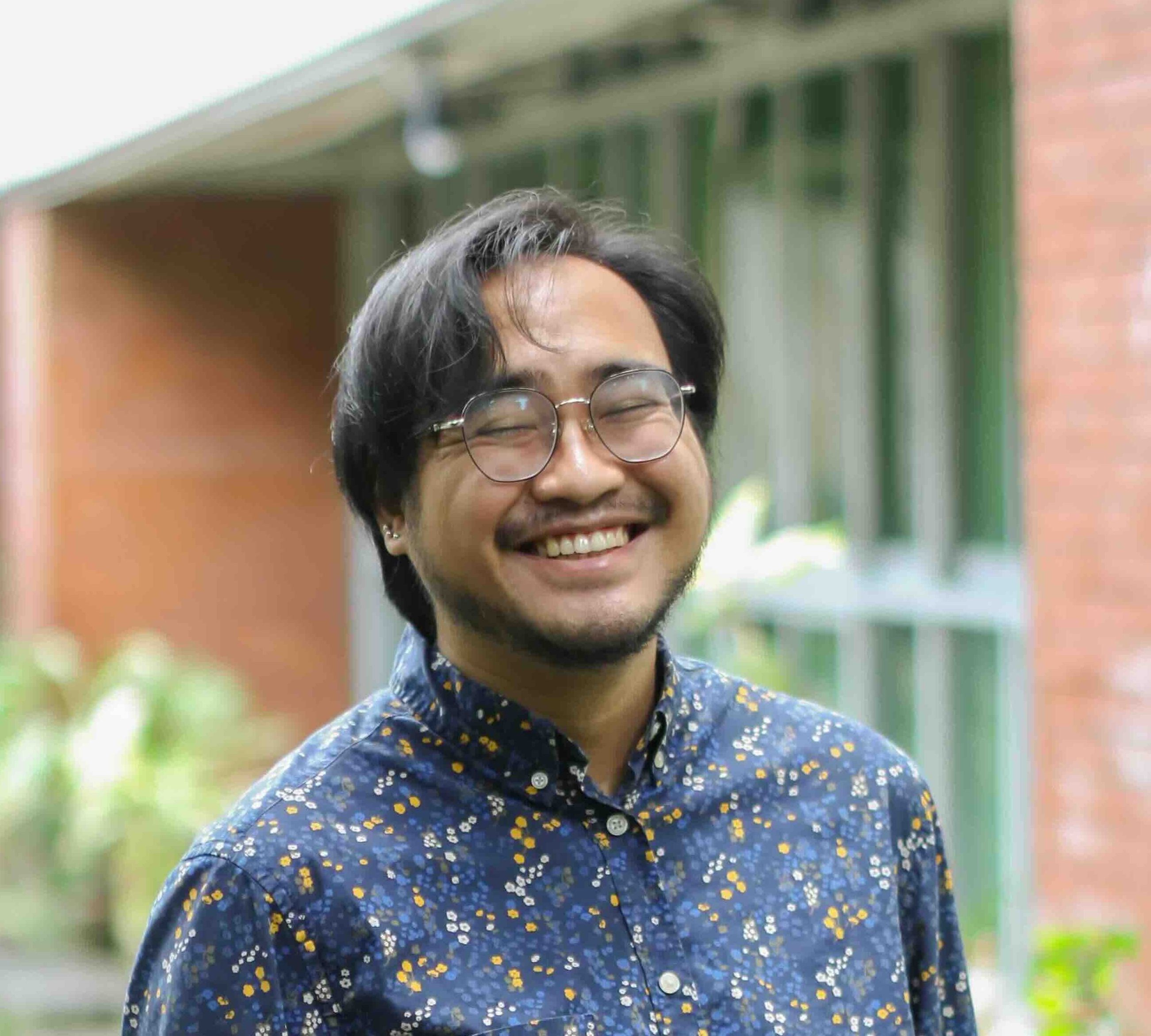
University of the Philippines Diliman
University of the Philippines Diliman

University of the Philippines Diliman

University of the Philippines Diliman

University of the Philippines Diliman
University of the Philippines Diliman
University of the Philippines Open University

University of the Philippines Diliman